

 See My Latest Article on HelloNation
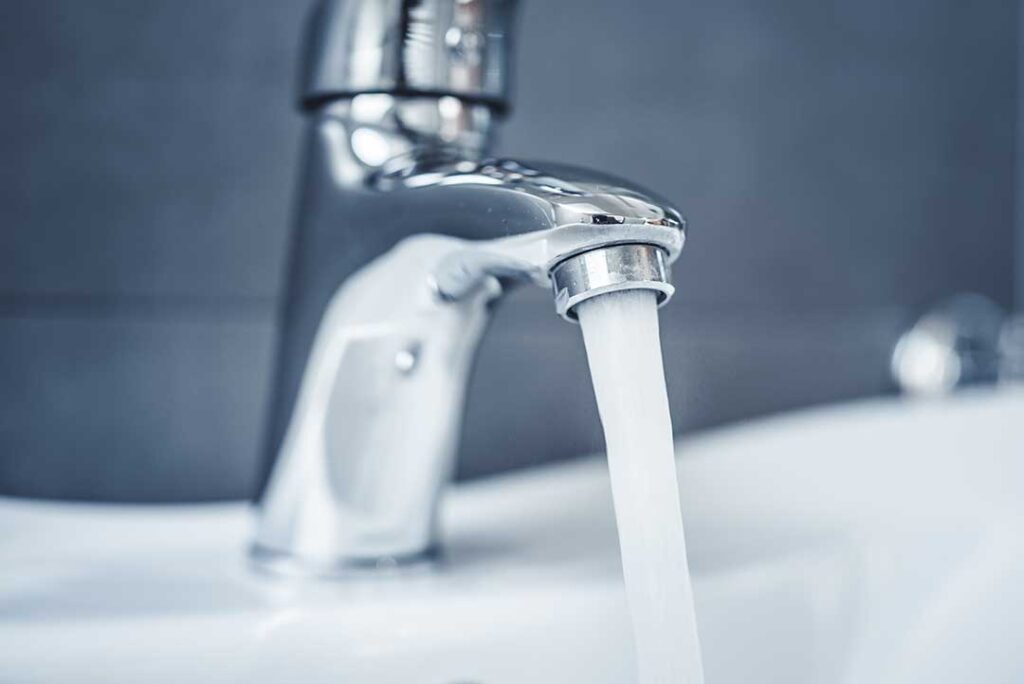
Why Do Homes in Richmond, VA Experience Low Water Pressure?
Low water pressure means water isn’t flowing as forcefully as usual from faucets or fixtures. In Richmond, this issue can affect just one tap or the whole house, with causes ranging from minor fixture clogs to larger infrastructure problems. Understanding the likely reasons based on local housing, climate, and water systems helps residents determine what to check first and whether the problem is easy to resolve.
Could It Be a Problem with a Single Fixture?
A single slow tap or shower is usually due to an issue right at that fixture. Common causes include:
- Clogged aerators—small screens at faucet tips often trap sediment or debris from the municipal water lines or aging home plumbing.
- Mineral buildup—in neighborhoods with harder water, scale gradually restricts openings.
- Broken washers or valves—worn parts can prevent full water flow.
Residents can unscrew the faucet tip, clean the screen, and check for debris. If only one fixture is affected, this is often the simple fix.
What if the Entire House Has Low Water Pressure?
House-wide problems point to more central causes, such as:
- Main shut-off valve not fully open—sometimes after plumbing work or emergencies, the main valve near the water meter is not turned all the way.
- Pressure-reducing valve (PRV) adjustment—many Richmond homes, especially those built or remodeled after 1980, have a PRV to prevent excessively high pressure. This valve can be accidentally set too low or can fail with age.
- Whole-house filtering systems—clogged filters, often installed under sinks or near entry points, can significantly restrict flow if not replaced regularly.
If every faucet or shower is affected, it’s best to check these main controls and replace any obvious clogged parts.
Could Water Leaks Be Causing Low Pressure?
Yes, hidden leaks drain water meant for fixtures, lowering household pressure subtly or suddenly. In Richmond’s older homes, underground leaks or corroded galvanized pipes are common causes. Telltale clues include:
- Unexplained wet spots in the yard
- Running water sounds behind walls
- Higher-than-usual water bills
Locating leaks early reduces the risk of foundation issues or mold. Some pressure drop is normal during hot weather or heavy irrigation seasons, but unexplained, persistent drops warrant further checking for leaks.
Is Seasonal Water Use in the Community a Factor?
Richmond experiences seasonal spikes in water demand—spring and summer irrigation, filling pools, or neighborhood construction can temporarily lower water pressure, especially during early morning or evening peak hours.
Residents may notice weaker flow at certain times of day when much of the community is drawing from the same lines. This is usually temporary and not caused by anything inside the home.
How Does Pipe Material and Age Affect Water Pressure?
Many homes in the area are decades old, with original galvanized steel, copper, or even lead pipes. Over time:
- Galvanized pipes corrode internally and build up scale, which narrows the passage for water and reduces flow.
- Polybutylene pipes (used in some homes from the late 1970s to mid-1990s) are subject to chemical breakdown and sudden failures, which can cause both pressure drops and intermittent leaks.
Upgrading old or problem pipes restores normal pressure but can be a significant project, especially if deterioration is widespread.
Do Local Water Main Issues Ever Cause Home Pressure Drops?
Homes sometimes experience sudden, unexplained low pressure even after checking every internal plumbing component. In these cases:
- Municipal water main repairs, flushing, or breaks in the neighborhood lines can lower pressure or send sediment into home plumbing. This is more common after storms or floods, or when the city does emergency work.
- Residents sometimes receive notifications about scheduled maintenance, but not all events are predictable.
If there’s no apparent cause inside the home and neighbors are experiencing the same issue, it’s reasonable to suspect larger municipal water system activity.
Can Water Heater Issues Lead to Lower Hot Water Pressure?
When only hot water has reduced flow, the water heater is a likely source. Local homes with older tank heaters may develop:
- Sediment buildup inside the tank, restricting outflow
- Partially closed valves leading into or out of the heater
Routine flushing of tank water heaters can prevent mineral buildup and keep both pressure and water quality stable.
What Other Factors Do Residents Commonly Overlook?
Sometimes low pressure is blamed on worn fixtures, but other reasons include:
- Old supply lines in the street, which may be too narrow for the needs of larger households or modern appliances
- Landscaping changes or new tree roots interfering with buried pipes near the home
- Faulty or partially closed water meters
It’s also worth checking for municipal water quality events; local news or utility websites often note when issues are widespread.
Residents’ Frequently Asked Questions
Why does my upstairs bathroom have lower pressure than rooms downstairs?
Gravity affects water flow in multi-story homes. Older or partially clogged vertical pipes may supply less water to upper levels.
Is it normal for pressure to drop during the summer?
Temporary slowdowns are sometimes seen on the hottest days due to lots of outdoor watering, but these should resolve within hours.
Can a home filter cause a problem if not maintained?
Yes, whole-house filters or water softeners need regular cartridge changes. A clogged unit restricts flow to every tap.
For local residents, pinpointing the actual cause of low water pressure typically comes down to careful checks in the home, a look at seasonal and neighborhood conditions, and, when necessary, checking in with other community members about broader utility events.