

 See My Latest Article on HelloNation
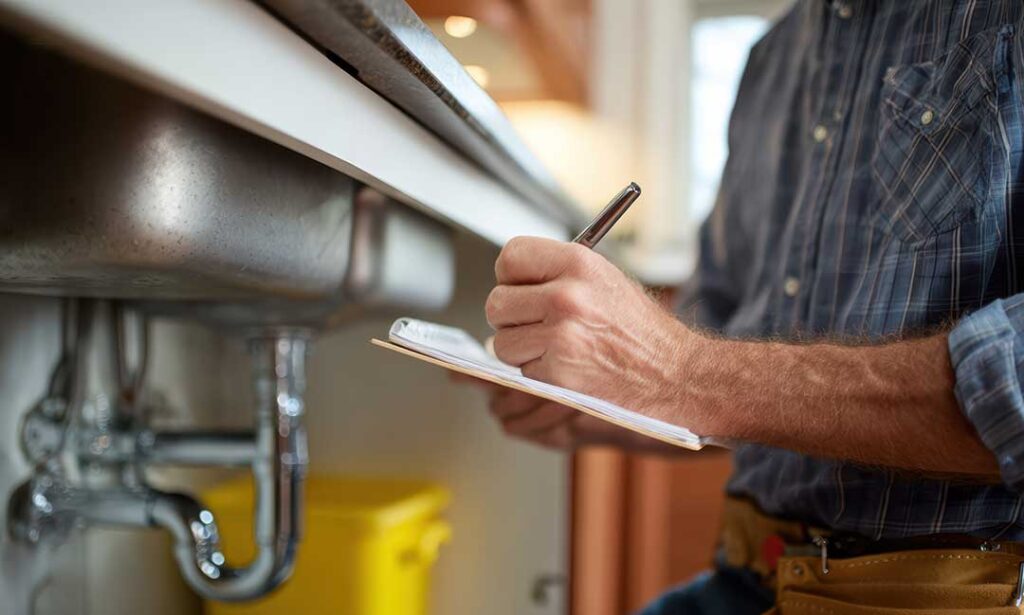
Pouring grease down a kitchen drain is a bad idea, even if it is followed by hot water or dish soap. Grease can cool inside the drainpipe, stick to pipe walls, collect food particles, and eventually restrict or block the line.
For households in Richmond, VA, the issue affects more than the sink beneath the kitchen counter. Fats, oils, and grease can contribute to problems in a home’s private drain line and, after entering the sewer system, can add to blockages and backups in shared wastewater infrastructure.
Why does grease clog a drain?
Grease often enters a drain as a liquid, but it does not remain liquid throughout the plumbing system. As it moves away from the warm kitchen sink, it can cool and coat the inside of the pipe.
Over time, additional material may stick to that coating, including:
- Food scraps
- Flour, starch, or rice
- Soap residue
- Coffee grounds
- Hair and other debris already in the pipe
The result may begin as a slow drain and develop into standing water, gurgling, unpleasant odors, or a complete blockage. A small amount poured down the sink repeatedly can be more damaging than a single larger spill because the coating gradually builds up.
Cold-weather conditions can make the problem more noticeable. During cooler months, grease may solidify sooner in unheated portions of a plumbing system, such as a crawl-space line, basement pipe, or exterior sewer connection.
Does hot water or dish soap prevent grease problems?
No. Hot water may temporarily keep grease moving, but it does not remove the underlying risk. Once the mixture reaches cooler pipe sections, the grease can harden again.
Dish soap can break grease into smaller droplets, but that does not make the material disappear. It may simply carry the grease farther down the line, where it can settle and combine with other waste. Using extra soap or very hot water is not a dependable disposal method.
The same applies to garbage disposals. A disposal can grind food, but it does not eliminate oil or grease. It may distribute grease more widely through the drain system while adding food particles that help form a blockage.
What should you do with cooking grease?
The safest household method is to let the grease cool, place it in a container, and put the sealed container in the regular trash if local disposal instructions allow it.
A practical process is:
1. Allow the grease to cool enough to handle safely.
2. Pour or scrape it into a disposable container with a secure lid.
3. Wipe the pan with a paper towel before washing it.
4. Put the towel and container in the trash.
5. Wash the pan with normal dish soap and water.
For a small amount of oil, wiping the pan is often simpler than trying to pour it into another container. A larger quantity can be collected in a jar, can, or other heat-resistant disposable container. Do not pour hot grease into a plastic container that could soften or melt.
Some cooking oils may be accepted through household cooking-oil collection or recycling programs. Those programs can change, so residents should verify current instructions before transporting stored oil. Never mix cooking oil with automotive fluids, solvents, or other chemicals.
What about bacon fat, butter, and sauces?
Bacon fat, shortening, butter, gravy, creamy sauces, salad dressing, and meat drippings should be treated as grease or greasy food waste. Even products that seem thin or liquid at room temperature can thicken as they cool in a drain.
A pan that contains only a light film of grease does not need to be treated like a container of waste oil. Wipe the surface first, then wash it. The goal is to keep the amount entering the drain as close to zero as reasonably possible.
Greasy foods should also be scraped into the trash before dishes go into the sink or dishwasher. A dishwasher can remove residue from plates, but the grease still travels through the household drain system.
Is it safe to pour grease into a toilet?
No. A toilet is not an alternative disposal route for oil or grease. Grease can adhere to the building sewer line just as it can adhere to a kitchen drain, and it may create a blockage farther from the bathroom.
Toilets should be used only for human waste and toilet paper. Wipes, paper towels, cooking grease, and food waste can create separate drainage problems even if they initially flush away without difficulty.
What if grease has already gone down the drain?
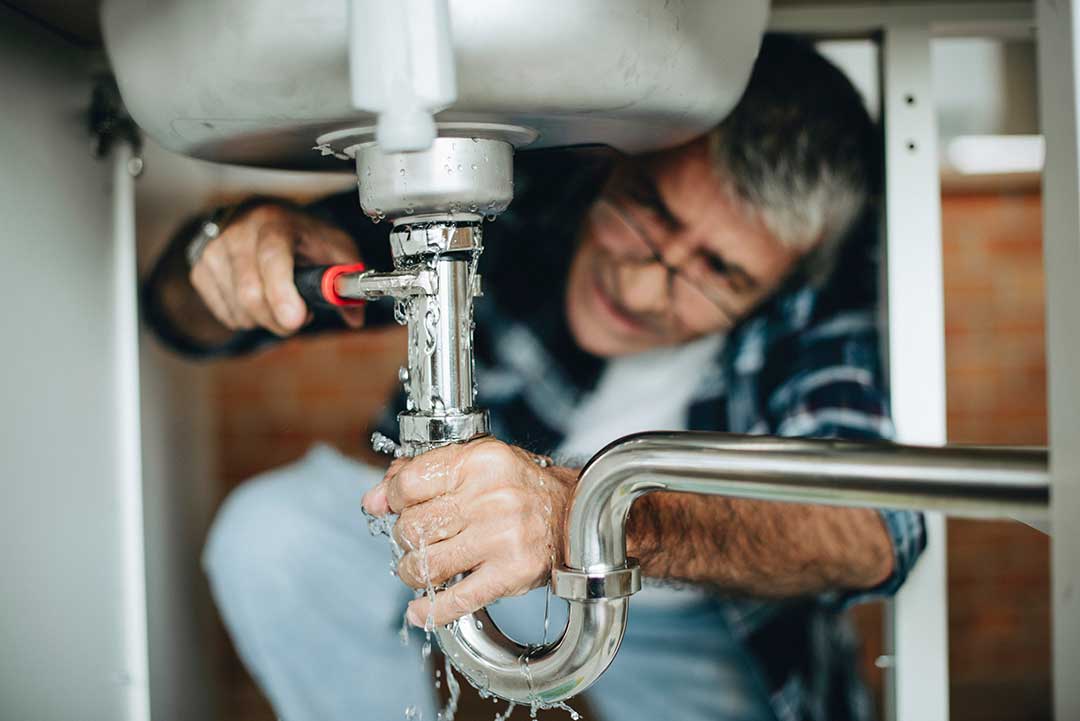
If a small amount was poured down recently, avoid adding more. Run ordinary warm water briefly while using the sink normally, but do not assume that a large amount of boiling water will solve the problem.
Do not use repeated chemical drain cleaner treatments as a preventive measure. These products may not dissolve a grease buildup completely and can leave hazardous chemicals in a blocked or partially blocked pipe. They can also make later drain work more dangerous.
Watch for warning signs such as:
- A sink that drains more slowly than usual
- Gurgling from the drain
- Water rising in a nearby sink or tub
- Recurring odors
- Backup when the dishwasher drains
- Multiple fixtures draining slowly at the same time
A single slow kitchen sink may point to a local branch-line issue. Multiple affected fixtures can indicate a blockage farther along the home’s main drain or building sewer. If wastewater is backing up, avoid using fixtures that discharge into the affected line until the source is understood. Sewage exposure can create health and cleanup concerns.
Why does grease matter beyond one household?
Grease discharged by homes and businesses can contribute to blockages in shared sewer systems. A buildup in a public sewer may restrict flow, cause backups, and require disruptive maintenance.
Richmond’s wastewater system includes extensive underground collection infrastructure, including areas where sanitary sewage and stormwater systems have historically been closely connected. Keeping fats, oils, and grease out of household drains helps reduce the amount of material entering that larger network.
Grease should never be poured onto a street, parking area, yard, or storm drain. Rain can carry oil and grease into stormwater systems and local waterways without the treatment that sanitary wastewater receives.
Is the guidance different for homes with septic systems?
The basic answer is the same: do not pour grease down the drain. With a private septic system, grease can accumulate in the tank, interfere with settling, and increase the chance that solids or scum will move toward the drainfield.
Septic systems are especially sensitive to excessive grease because they depend on biological treatment and carefully managed soil absorption. Wiping pans and disposing of grease with solid waste is a simple habit that reduces unnecessary strain on either a sewer connection or a septic system.
The most reliable rule is straightforward: let grease cool, contain it, wipe the pan, and keep it out of every drain, toilet, storm inlet, and outdoor surface.