

 See My Latest Article on HelloNation

What is the typical life of a water heater?
A conventional tank water heater commonly lasts about 10 to 13 years, although actual service life depends on water quality, installation, maintenance, household demand, and the condition of the tank. Some units fail earlier, while well-maintained heaters may operate longer.
In Richmond, VA, seasonal temperature changes can make hot-water demand more noticeable. Cold winter mornings, frequent laundry, and larger households can place additional strain on an aging unit. A water heater that has reached the end of its expected service life does not always fail gradually; it may begin leaking suddenly.
Check the manufacturer’s label for the installation date or serial number. If the date is unclear, the serial number may help identify the production year, although decoding methods vary by manufacturer. A unit around 10 years old deserves closer monitoring, even if it is still producing hot water.
Does a leaking water heater always need to be replaced?
A leak from the tank itself usually means replacement is necessary. The steel storage tank can corrode from the inside, and once the tank develops a significant leak, patching it is generally not a lasting repair.
Not every visible leak means the tank has failed. Water may come from:
- Loose pipe connections
- A leaking temperature-and-pressure relief valve
- The drain valve
- The heating element gasket on an electric unit
- Condensation on the outside of the tank
- A fitting above the tank that is dripping downward
Dry the area carefully and observe where new water appears. If water is collecting around the bottom seam, spreading across the floor, or returning after the connections are dry, the tank may be compromised.
A steady leak requires prompt attention because even a small amount of water can damage flooring, walls, stored belongings, or nearby electrical components. If water is close to electrical wiring or the leak is substantial, shut off the water supply and the energy source only if it can be done safely.
What other signs indicate that replacement may be near?
Several symptoms suggest that a water heater is deteriorating, particularly when they occur together.
Hot water runs out quickly
A smaller supply of hot water can result from a failing heating element, a damaged dip tube, sediment buildup, or a tank that no longer transfers heat efficiently. If showers become cold much sooner than they used to, the problem may be the water heater rather than increased water use.
Water is rusty, cloudy, or gritty
Rust-colored hot water can indicate corrosion inside the tank. Sediment may also appear as small particles in faucet aerators or at the bottom of a container.
Discolored water only on the hot side points more strongly toward the water heater. If both hot and cold water are discolored, the cause may involve household piping or a change in the water supply rather than the heater itself.
The unit makes popping, rumbling, or cracking sounds
Sediment settles at the bottom of a tank. With gas units, trapped water beneath the sediment can boil and create popping or rumbling sounds. Electric units may also develop noise as mineral deposits collect around the heating elements.
Some sediment can be removed through proper maintenance, but heavy buildup reduces efficiency and can contribute to overheating, damaged components, or premature tank failure. A noisy heater that is also old or slow to recover is more likely to need replacement than a newer unit with an isolated maintenance issue.
The water temperature fluctuates
Water that alternates between hot, warm, and cool may indicate a failing thermostat, heating element, burner problem, dip tube, or control component. In a tank that is already old, repeated temperature problems may make replacement more practical than continued repairs.
Operating costs have increased
An older heater may use more energy because of sediment, degraded insulation, worn controls, or reduced heating performance. Higher utility costs alone do not prove that the water heater is failing, since rates and household habits also change. However, rising costs combined with slow recovery, unusual noise, or inconsistent temperatures are meaningful warning signs.
Can maintenance fix the problem instead of replacement?
Sometimes. A newer unit with no tank leak may benefit from a repair or maintenance visit. Common repairable issues include a failed thermostat, heating element, relief valve, burner component, or loose connection.
Flushing can reduce sediment in some tanks, and manufacturers commonly provide instructions for periodic maintenance. However, flushing an old heater with substantial sediment can reveal or worsen an existing weak point, and draining a tank involves very hot water. Follow the manufacturer’s instructions and avoid attempting the work if the equipment, valves, or discharge path are unsafe.
Replacement becomes more reasonable when:
- The storage tank is leaking
- The unit is near or beyond its expected service life
- Repairs are recurring
- Replacement parts are difficult to find
- The unit has severe corrosion
- Hot-water performance remains poor after a repair
- The cost and disruption of another repair approach the value of the heater
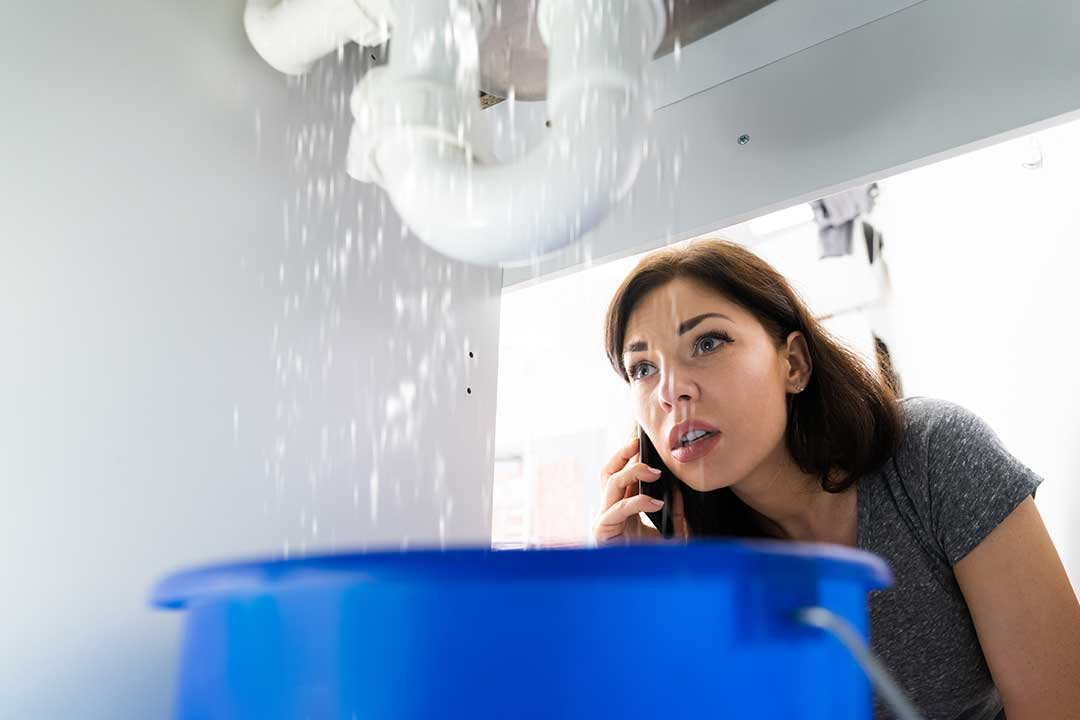
A repair may extend the life of an older unit, but it cannot reverse corrosion inside the tank.
When is a water heater an immediate safety concern?
Turn off the water heater and address the situation promptly if there is active leaking, a strong gas odor, smoke, scorching, electrical arcing, or water near electrical equipment.
For a gas-fired unit, never use a flame to search for a gas leak. Leave the area and follow local emergency guidance if gas odor is present. For an electric unit, do not touch switches or electrical equipment while standing in water.
The temperature-and-pressure relief valve is a critical safety component. It should not be capped, blocked, or intentionally disabled. Water discharging from this valve can indicate excessive temperature, excessive pressure, or a defective valve and should not be ignored.
Replacement or repair work may also need to follow Virginia building and plumbing requirements. This is especially relevant when changing fuel types, relocating the unit, modifying venting, or installing equipment in a confined space.
Should an old water heater be replaced before it fails?
Preemptive replacement can make sense when a unit is old, showing several warning signs, or located where a leak could cause major damage. Replacing it before failure allows more time to consider capacity, energy source, installation location, drainage, and safety requirements.
Waiting may be reasonable for a newer unit that is working normally and has no corrosion or leakage. In that situation, periodic visual checks can help identify trouble early.
Inspect the area occasionally for:
- Moisture around the base
- Rust on the tank or fittings
- Corrosion on pipes and valves
- Water marks on walls or flooring
- Unusual sounds
- Changes in hot-water availability
Keep the space around the heater accessible. Storing boxes or paper products directly beside the unit can hide leaks and increase damage if a failure occurs.
What should Richmond households consider during replacement?
The replacement should provide enough hot water for the household without being substantially oversized. A unit that is too small may run out frequently, while an oversized tank can increase standby energy use.
Consider the number of occupants, shower patterns, laundry habits, dishwasher use, available fuel, installation space, venting, and drainage. Homes with older plumbing or limited mechanical-room space may require additional planning.
A drain pan, properly routed discharge pipe, accessible shutoff valve, and safe temperature setting can reduce risk. A setting near 120°F is commonly used to balance hot-water needs with scald prevention, though household conditions and manufacturer instructions should be considered.
The clearest replacement signal is usually a combination of age, leakage, corrosion, reduced capacity, and repeated repairs. Any one symptom may have a simpler explanation, but an aging unit with several of these problems is likely nearing the end of its useful service life.