

 See My Latest Article on HelloNation
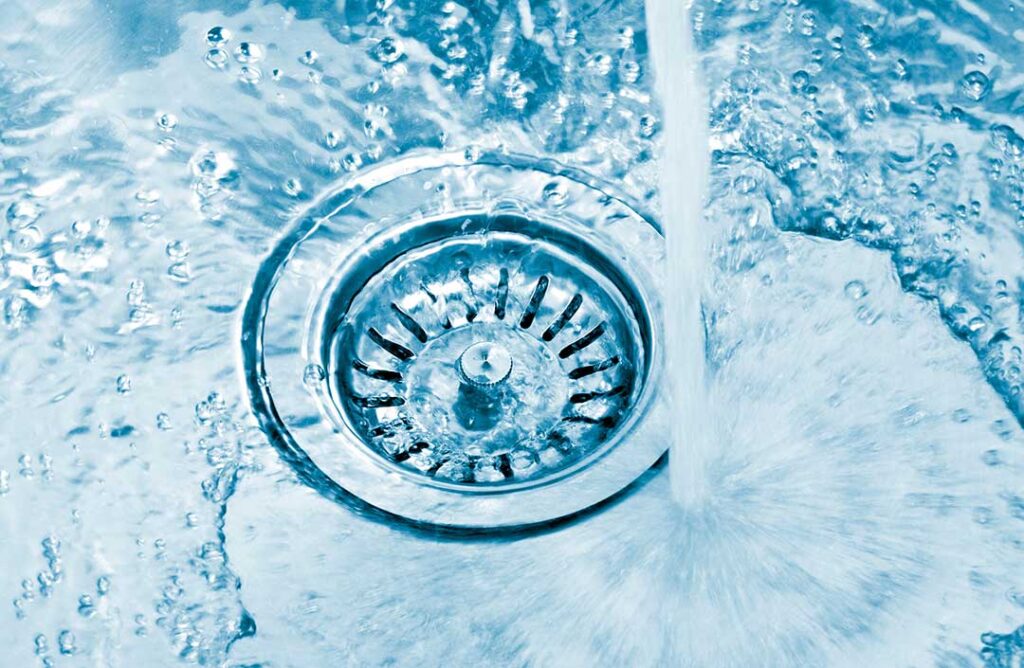
A garbage disposal can develop odors when food residue, grease, and moisture remain inside the grinding chamber or drain connection. Regular cleaning habits help keep the unit fresher, reduce buildup, and make it easier to notice plumbing problems before they become disruptive.
Why does a garbage disposal smell?
Most disposal odors come from food particles trapped beneath the splash guard, along the grinding chamber, or inside the drainpipe. The disposal may appear clean from above while residue remains in areas that are difficult to see.
Common sources of odor include:
- Fibrous vegetable scraps caught under the rubber splash guard
- Grease or cooking oil coating the drainpipe
- Starchy foods that swell and form paste-like buildup
- Coffee grounds and fine sediment collecting in the trap
- Food residue sitting in a disposal that is rarely flushed with water
- A partial clog that slows drainage and allows organic material to decompose
Warm, humid weather can make odors more noticeable, especially during Richmond’s summer months. In older homes or houses with frequently used kitchens, a disposal may also share a drain system that accumulates residue more quickly.
How should a garbage disposal be cleaned?
A simple cleaning routine involves cold water, dish soap, and gentle scrubbing of the accessible parts. Turn off the disposal and disconnect power before placing anything near the grinding area.
Start by lifting or wiping the rubber splash guard. Food particles often collect underneath its folds. A small nylon brush, old toothbrush, or cloth can remove residue without damaging the rubber.
Next, add a small amount of dish soap and run cold water into the sink. Turn on the disposal briefly, then continue running the water for several seconds after switching it off. This helps move loosened particles through the drain.
For a deeper cleaning:
1. Turn off the disposal and disconnect power if the unit needs to be inspected.
2. Wipe the underside and folds of the splash guard.
3. Use a brush to clean only the surfaces that can be reached safely.
4. Rinse the sink and surrounding drain area with hot tap water.
5. Restore power and flush the disposal with cold water.
Never put a hand into the disposal, even when the unit is switched off. Tongs or pliers may be used to remove a visible object, but only after the power has been disconnected.
Is ice safe for a garbage disposal?
Small ice cubes can help loosen soft residue from the grinding chamber, but they do not replace regular cleaning. Use a modest amount of plain ice while running cold water, then allow the disposal to operate briefly.
Ice does not sharpen the blades in the way many people assume. Most modern disposals use rotating impellers rather than knife-like blades. The ice may help dislodge buildup, but it cannot correct a dull, damaged, or malfunctioning unit.
Avoid using large chunks of frozen material or placing anything hard into the disposal that could damage the impellers or motor.
Do citrus peels remove bad odors?
Small pieces of lemon or orange peel may provide a temporary fresh scent, but citrus does not disinfect the disposal or remove all residue. Large amounts of peel can create a blockage, particularly if thick rinds collect in the drain.
If citrus is used, cut the peel into small pieces and run plenty of cold water. Treat it as a light deodorizing step rather than a substitute for cleaning the splash guard and drain area.
A persistent odor usually indicates that residue remains somewhere in the system. Adding more scented material may mask the problem without resolving it.
What should never go into a garbage disposal?
Garbage disposals are designed for small amounts of soft food waste, not every type of kitchen scrap. Items that commonly cause odors, clogs, or mechanical problems include:
- Grease, oil, and butter
- Fibrous foods such as celery, corn husks, and onion skins
- Pasta, rice, and flour-based foods that expand with water
- Potato peels in large quantities
- Eggshells
- Bones, shells, and other hard materials
- Coffee grounds in large amounts
- Paint, chemicals, cleaners, or other non-food substances

Grease is especially troublesome because it can flow as a liquid and then solidify farther down the drain. Over time, it may trap food particles and restrict water flow.
A disposal also should not be used as a replacement for a compost container or household trash can. Scrape plates into the trash before rinsing them, and place large quantities of food waste elsewhere.
Should hot or cold water be used?
Cold water is generally the better choice while the disposal is running, particularly when small amounts of food residue are being ground. It helps keep fats and oils more solid so they are less likely to spread through the drainpipe.
Hot tap water can be useful after cleaning to rinse soap and loosen surface residue in the sink. However, hot water does not make it safe to pour grease into the disposal. Fats can still cool and collect farther down the plumbing.
Run enough water to carry the food waste through the drain, but avoid wasting water by letting the disposal run long after the chamber is clear.
How often should a disposal be cleaned?
A light cleaning once a week is reasonable for a frequently used kitchen. Wipe the splash guard more often if food particles are visible or an odor develops.
A practical routine may include:
- Wiping the splash guard several times each week
- Flushing the disposal with cold water after use
- Cleaning the accessible drain area weekly
- Checking for slow drainage, standing water, or unusual sounds
- Deeper cleaning whenever odor returns despite normal rinsing
Households that cook frequently, have several occupants, or use the disposal heavily may need to clean it more often.
What if the disposal still smells after cleaning?
A continuing odor may come from the drain trap, dishwasher connection, a partial clog, or residue underneath the sink rather than the disposal itself. Look for slow drainage, gurgling, leaks, or water that backs up into the sink.
If the disposal hums without grinding, trips the electrical reset, leaks from its housing, or repeatedly jams, stop using it until the cause is identified. Do not pour chemical drain cleaner into the unit. These products can damage components, create hazardous splashes, and remain in the plumbing.
A fresh disposal depends less on strong cleaners than on preventing buildup: scrape food into the trash, keep grease out of the drain, clean the splash guard, and flush the unit with enough cold water to carry residue away.