

 See My Latest Article on HelloNation
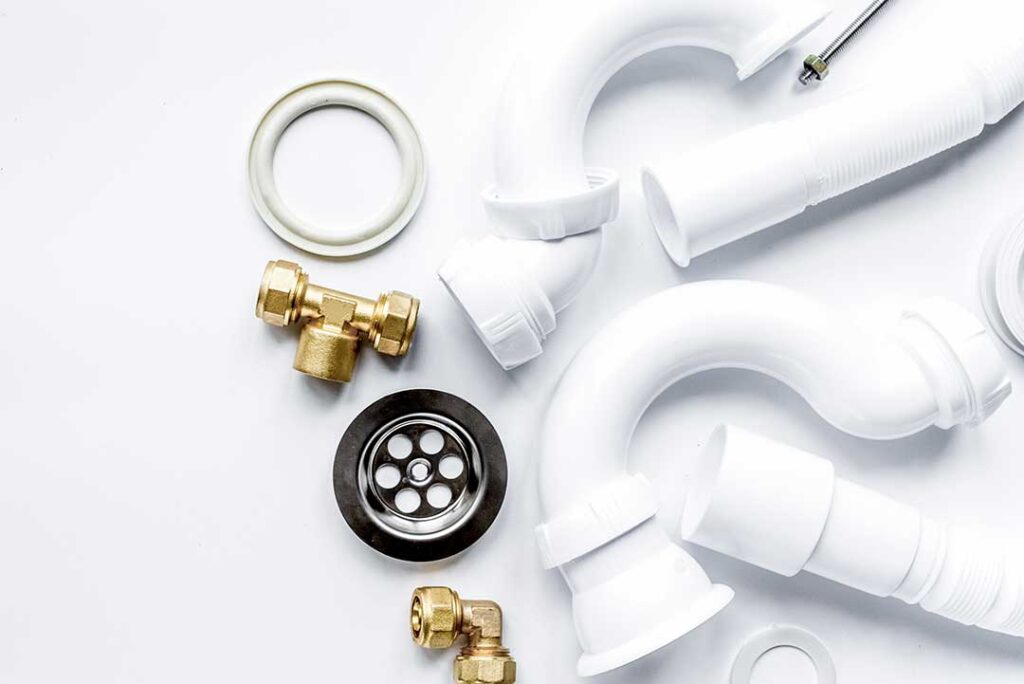
What Causes Drains to Clog in Richmond, VA Homes?
Drains in local homes often clog due to a mixture of regular household debris and environmental factors unique to this region. Most clogs form from a buildup of hair, soap residue, food scraps, and grease. In older neighborhoods, aging plumbing paired with hard mineral-rich water can also contribute to slow drains. The climate in this area means residents regularly deal with leaves, pollen, or mud getting tracked inside, which sometimes ends up in shower or floor drains.
Tree roots are another issue, especially in yards with mature trees, as roots can enter small cracks in underground pipes. Seasonally, quick thaws followed by heavy spring or fall rains may wash extra debris into drains as well.
Is It Safe to Use Chemical Drain Cleaners?
Using chemical drain cleaners carries risks to both pipes and household health and is rarely recommended for area residents. Many commercial drain products rely on strong bases or acids that can corrode older metal pipes, damage newer PVC, and harm skin, eyes, or respiratory health if not handled properly. Repeated use may weaken joints, leading to leaks or bigger plumbing issues.
Instead, most minor clogs can be cleared with gentler mechanical or natural methods that won’t compromise your home’s plumbing or the city's environment.
What Simple Methods Can Clear a Clogged Drain Without Damage?
Most routine clogs respond well to mechanical or natural solutions, which are gentler on pipes:
- Boiling Water: For kitchen sinks dealing with grease or soap buildup, pouring a kettle of near-boiling water slowly down the drain can help melt soft obstructions. This approach is safe for metal and most plastic pipes but should be skipped if you know your piping is made of older, heat-sensitive materials.
- Plunger: A plunger creates pressure that pushes through minor blockages. Cup-style plungers suit sinks and tubs, while flange-style plungers are designed for toilets. Ensure a tight seal and use several controlled plunges. If water drains freely, the clog is likely cleared.
- Manual Removal: Remove the drain stopper or cover and use a bent wire hanger or plastic drain snake to pull out hair and debris. Gloves and a flashlight can help with this task. This is a reliable option for bathroom sinks and tubs, where hair clogs are common.
- Baking Soda and Vinegar: Pouring half a cup of baking soda followed by half a cup of vinegar down the drain, then sealing it for 10–15 minutes and flushing with hot water, can break down organic material and some buildup. This method won’t harm pipes or the environment, though it may not clear tough clogs.
Can Drain Snakes or Augers Be Used Without Risk?
Hand-crank drain snakes (also called augers) are generally safe for typical household use if handled with care. Insert the flexible cable slowly and twist gently—forcing the snake can scratch or puncture pipe walls, especially in older or corroded systems found in historic neighborhoods.
Power augers, often used for main sewer lines, carry higher risk; excessive force or inexperience can cause significant pipe damage. Residents should use consumer-grade manual tools and avoid power machines for anything beyond simple tub, sink, or shower clogs.
Are There Mistakes That Commonly Damage Pipes?
Yes, many residents unintentionally cause pipe damage by:
- Overusing caustic chemical cleaners, which weaken and corrode pipes over time.
- Forcing plungers or snakes with excessive strength, risking pipe cracks or detaching traps.
- Mixing different types of commercial cleaners, which can create hazardous fumes or reactions.
- Ignoring slow drainage, allowing blockages to grow and potentially lead to pipe leaks or bursts.
Making repairs without shutting off water or misassembling drain parts after cleaning can also lead to avoidable leaks. Take care to use gentle methods first and reassemble fixtures securely.
What About Kitchen Grease or Food Clogs?
Kitchen drains can be especially vulnerable to grease and food waste. Grease solidifies as it cools and contributes to sticky buildup inside pipes—never dispose of it down the drain. Instead, wipe greasy pans with paper towels before washing them. For a minor grease-related slowdown, the boiling water method, repeated several times, can help clear residue. Follow up with baking soda and vinegar to break up lingering material.
Avoid using highly abrasive methods like wire brushes inside kitchen pipes, as food-grade piping in homes here can be scratched or weakened by rough cleaning.
How Can Drain Clogs Be Prevented in Local Households?
Preventing clogs will reduce the need for risky unclogging attempts. Area residents find success with these habits:
- Use mesh strainers in sinks, showers, and tubs to catch hair and food scraps before they enter the drain.
- Never pour fats, oils, or grease down the kitchen drain; collect and dispose of them in the trash.
- Run hot water down the sink after each use to help flush any remaining debris.
- Clean stoppers and strainers regularly, especially in bathrooms.
- In the fall, check outdoor drains and downspouts for leaves and debris after storms or yardwork.
With Richmond’s mixture of older homes and humid seasons, paying attention to both interior and exterior drains can help prevent persistent problems.
When Should Professional Help Be Considered for Drain Issues?
Sometimes a clog may not respond to any of the above methods, or a recurring problem could hint at a deeper issue such as a damaged pipe, major blockage, or root intrusion. Additional signs that warrant expert attention include:
- Clogs affecting multiple fixtures at once.
- Foul odors that persist despite cleaning.
- Gurgling sounds from drains or toilets.
- Water backing up into sinks or tubs.
- Sewage odors or evidence near outdoor drain lines.
For these situations, further inspection is necessary to avoid property damage or health hazards.