
 See My Latest Article on HelloNation
What Are Common Warning Signs of a Sewer Line Clog?
Homeowners in Richmond, VA often spot early clues that their sewer line could be partially or fully blocked. Recognizing these signs can help prevent more serious damage. Typical symptoms include:
- Slow draining in multiple household fixtures, especially if it affects toilets, showers, and sinks simultaneously
- Water backing up in basement floor drains or around the lowest plumbing fixture after using large volumes of water
- Gurgling sounds from drains or toilets even when they’re not in use
- Unpleasant odors coming from drains, particularly after heavy rainfall or snowmelt
These can be traced back to the city’s mix of older and newer housing stock, where mature tree roots, seasonal storms, and aging pipes frequently contribute to blockages.
Why Do Multiple Drains Back Up at Once?
If more than one drain is affected, it usually points to an issue deeper than a simple sink or tub clog. The main sewer line—rather than just a branch pipe—is likely obstructed. For example, toilet water rising in the shower drain when flushing is a classic signal of a main line problem.
Richmond’s older neighborhoods sometimes have clay or cast iron pipelines. These materials are more vulnerable to root intrusion and corrosion, which can lead to mainline clogs. Homes located near large trees or in flood-prone zones should pay particular attention to simultaneous drainage trouble.
Could Strange Noises or Smells Indicate a Problem?
Odd sounds and foul odors often accompany sewer line blockages. Gurgling or bubbling in toilets and drains is caused by trapped air, which can’t escape due to a partial clog. Similarly, sewer gases may escape through fixture traps if pressure builds up—or if the water in the trap evaporates in rarely-used basement drains.
During humid Richmond summers, or after periods of heavy rain, smells can become more pronounced as increased moisture and higher groundwater put additional pressure on pipes and joints.
How Does Outdoor Evidence Signal a Clog?
Issues sometimes appear outside before becoming noticeable indoors. Residents might notice:
- Unusually soggy or sunken patches of lawn, even during dry weather
- Patches of especially green or lush grass above where the sewer line runs
- Brief flooding near outdoor cleanouts after laundry or dishwashing cycles
These subtle changes happen when wastewater leaks underground due to a blockage creating excess pressure. This is more common in areas with older landscaping and large-rooted trees—both features found in many Richmond neighborhoods.
Can Household Habits Cause or Worsen Clogs?
Some everyday practices can increase the risk of sewer line blockages:
- Flushing wipes, paper towels, or hygiene products down toilets, even if labeled “flushable”
- Pouring grease, fats, or oils into kitchen drains, where they solidify inside pipes
- Ignoring early signs like slow drains, which can gradually build up to a major obstruction
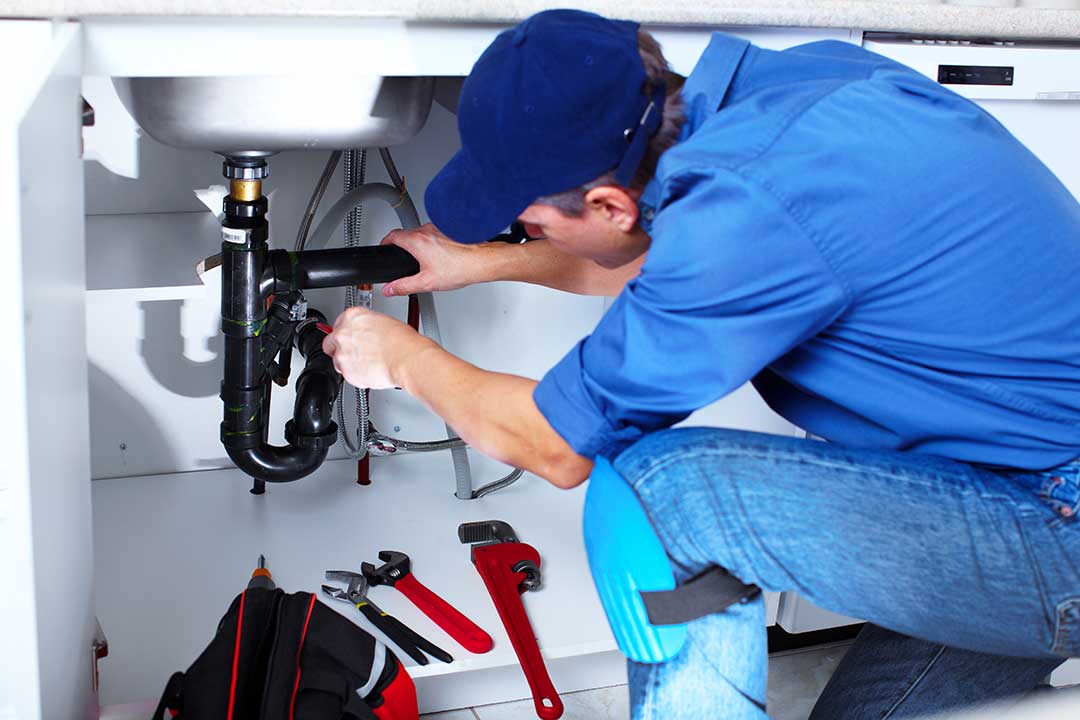
Richmond’s mix of historic and updated plumbing systems means not all homes are equally at risk, but any can develop a problem if habits cause gradual buildup.
Are Clogs More Likely During Certain Seasons?
Certain times of year can make sewer line interruptions more likely in Richmond. Spring and early summer bring heavy rains, overwhelming old pipes and causing tree roots to grow rapidly. In colder months, shifts in soil during freeze-thaw cycles can crack older pipelines, inviting debris and root intrusion.
After major storms, if household drains start behaving differently, residents should be alert—even when problems seem minor at first.
What Are Some Misconceptions About Sewer Line Clogs?
Many homeowners think non-flushable items or roots are always to blame, but several lesser-known factors can play a role:
- Settling of older homes can lead to “bellies” or dips in the sewer line, collecting debris
- Grease blockages can form slowly over years, not just from rare mistakes
- Sometimes small animal nests or collapsed pipe sections from construction or utility work outside can contribute
Assuming clogs are always the result of old pipes or “one bad flush” may delay a correct diagnosis.
When Is a Sewer Line Issue a Safety or Compliance Concern?
If a main sewer line backup causes wastewater to enter basements or living areas, there may be health risks from bacteria and contaminants. Extensive backups or persistent leaks can also raise structural and code issues with moisture, mold, or damage to electrical systems.
In these scenarios, Richmond residents may be required to follow local public health guidelines for cleanup and remediation.