
 See My Latest Article on HelloNation
Can You Fix That Toilet Issue Yourself or Should You Get Expert Help?
Some toilet problems can be handled with basic tools, while others signal deeper trouble. Knowing the difference saves time and prevents costly water damage. For residents of Richmond, VA, local homes—whether century-old row houses near Church Hill or newer suburban builds—share some common challenges because of aging infrastructure, weather shifts, and varying water quality. Here’s how to tell if you’re facing a quick fix or a situation where a plumber is necessary.
What Toilet Issues Are Usually Simple to Fix?
Minor clogs and loose fittings are often within the reach of anyone comfortable with basic repairs. If the toilet is slow to flush or running longer than usual, start by checking these:
- Basic clog: If water rises and drains slowly, try a plunger first. Most clogs are caused by too much paper or non-flushable items. A simple plunger often solves these cases.
- Loose handle or chain: If flushing requires wiggling the handle or if the toilet runs after use, check inside the tank. Many times, the chain connecting the handle to the flapper is tangled or too loose.
- Wobbling toilet: If the toilet rocks slightly, tightening the floor bolts can help—be careful not to overtighten, which can crack the porcelain.
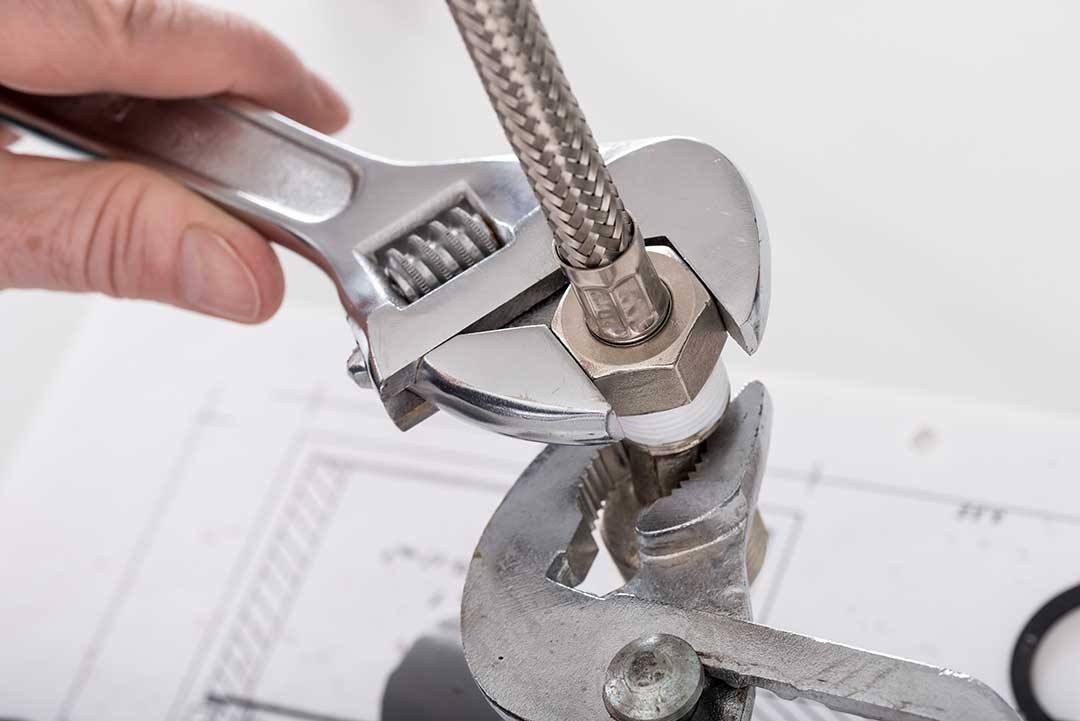
- Minor leaks at the supply line: If you see a drip at the hose leading to the tank, gently tighten the nut. This is often enough, but watch closely for continued leaks.
These easy repairs don’t typically require specialized knowledge or tools beyond a plunger, adjustable wrench, or screwdriver.
When Does a Toilet Problem Point to a Bigger Plumbing Issue?
Some symptoms go beyond the scope of DIY fixes. If you notice the following, the problem may stem from deeper in the plumbing system or a component that's failing:
- Water pooling on the floor near the base of the toilet even after tightening bolts often signals a faulty wax ring or cracked flange.
- Frequent clogs in multiple toilets, drains, or showers in the home could point to a blockage in the main sewer line, not just the toilet trap.
- Gurgling drains after flushing indicate possible vent stack or sewer line obstructions, common with mature trees and shifting clay soil found in some Richmond neighborhoods.
- Consistently low water levels or inability to refill after flushing may mean an issue with the toilet’s fill valve or a hidden pipe blockage.
- Toilet backs up after heavy rainfall—a sign that the city’s storm and sanitary systems may be overwhelmed or there’s infiltration in your yard’s sewer line.
These situations often involve hidden pipes, complex mechanisms, or safety risks, and typically need a plumber’s assessment.
What Should You Do if a Toilet Won’t Stop Running?
A constantly running toilet can usually be traced to a problem inside the tank, like a defective flapper, fill valve, or float. These are typically straightforward to inspect—lifting the lid allows you to see if the flapper is sealing, or if the float gets stuck.
Try adjusting or replacing the faulty part. Replacement kits from hardware stores are inexpensive and labeled with instructions. If the toilet still runs despite these changes, calcium buildup from hard water (which is common in some areas of the city) or a misaligned overflow tube may be to blame—requiring more in-depth adjustments that a plumber can quickly diagnose.
When Is a Leak Dangerous Enough to Need Immediate Help?
Leaks are never to be ignored, but some carry more urgency:
- If water is seeping from the base of the toilet and soaking into the flooring, turn off the water supply to the toilet. In older Richmond homes, subflooring can be wood, and delay leads to rot and mold.
- A sudden, noticeable drop in water pressure across your home after noticing a toilet issue could indicate a burst pipe or major leak in your supply system. Shut off main water and seek expert assistance.
- If sewage is backing up or you detect foul odors near the toilet, this could mean a break in the main sewer line—posing serious health risks and requiring specialized cleanup.
Promptly addressing these situations prevents escalating water and structural damage.
Does Richmond’s Climate and Infrastructure Affect Toilet Troubles?
Yes, the city’s mix of older housing and periodic flooding events shapes plumbing challenges. Homes with large trees nearby may see more root intrusion in sewer lines. Shifting clay soils can move underground pipes, leading to leaks or blockages. Local water quality—sometimes high in minerals—can cause parts like flappers and fill valves to wear faster, affecting performance even in newer homes.
In winter, unheated basements or areas with exposed plumbing are at risk for frozen pipes that can impact toilet operation or cause leaks when thawed.
What Are Signs of a Hidden or Longstanding Issue?
Some problems develop slowly and aren’t always obvious:
- Small, unexplained increases in the water bill, even if the toilet appears to work normally
- Occasional dampness or staining around the base, especially after heavy use or rain
- Sudden soft spots or discoloration on the flooring near the bathroom, which may point to a slow leak
Richmond residents in older homes should watch for these subtle signs and avoid dismissing them—ongoing leaks can create expensive repair needs.
When Is DIY Not Safe or Advisable for Toilet Repairs?
Any repair involving main drains, sewage backups, loud gurgling sounds, or ongoing water damage should be left to trained professionals. Disturbing lead, cast iron, or clay pipes (common in local historic districts) can worsen leaks or create hazardous conditions.
Replacing a toilet is manageable for experienced DIYers but can expose older wax rings and flanges needing more advanced work. If you’re unsure about the materials or age of your system, or if you smell sewer gas, specialized knowledge and equipment will be safer and ultimately more cost-effective.