

 See My Latest Article on HelloNation
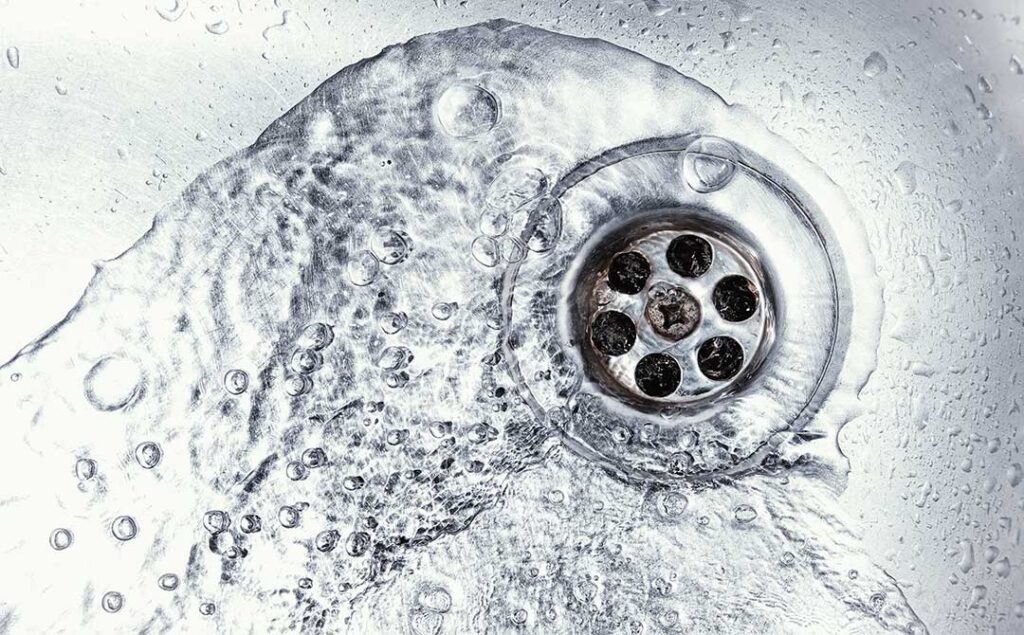
Why Do Faucets Tend to Drip More Noticeably at Night?
Most residents first notice their faucets dripping during the quiet nighttime hours. The absence of daytime noise often makes the sound of water droplets stand out. However, the drip is usually present throughout the day as well. The late-night quiet simply amplifies its presence, making it harder to ignore.
In Richmond, homes built during different eras use a variety of piping and valve materials. Older homes sometimes have original plumbing, where even a small defect will be more pronounced due to worn seals or corroded internal components. Contemporary homes are not immune; constant water pressure from the municipal system can still cause newer fixtures to drip if washers or cartridges wear out.
What Causes a Faucet to Drip After Turning It Off?
A dripping faucet almost always points to an issue inside the fixture, not a problem with local water supply. The most common causes include:
- Worn Out Washers or Cartridges: Compression faucets rely on rubber washers that can harden, split, or become misshapen after years of use. Cartridge-style faucets have internal seals that can fail over time, especially if the water has high mineral content.
- Corroded Valve Seats: The valve seat connects the faucet and the spout. Corrosion here, often caused by mineral-rich water supplies like those found locally, allows water to seep through even when the handle is tightly shut.
- High Water Pressure: Richmond’s municipal water system generally maintains consistent pressure, but areas with newly completed developments or aging infrastructure may see surges, putting extra stress on faucet parts.
- Loose or Damaged Parts: Over time, faucet components can work themselves loose or crack, especially if handles are overtightened or there’s slight shifting in the sink or countertop from daily use.
Any of these minor problems can lead to a persistent drip that seems louder—and more frustrating—at night.
Are Local Water Quality or Seasonal Factors Contributing?
Yes, the mineral composition and temperature of Richmond’s water can influence faucet lifespan and performance. The city’s water is considered moderately hard, meaning it contains notable concentrations of calcium and magnesium.
- Scale Buildup: Over years, mineral deposits can form a crust around washers and valve seats, reducing their ability to seal water flow.
- Winter Temperature Shifts: Sudden drops in outdoor temperatures—common during winter in Richmond—cause pipes and fixture metals to contract slightly, potentially worsening slow leaks.
- Sediment from Infrastructure Work: Main replacements or repairs in the municipal system can introduce sediment into home water lines, which can collect in faucet mechanisms and cause small blockages or abrasions.
Does Faucet Type Make a Difference?
The design and age of a faucet directly affect its maintenance requirements. Common types found in Richmond homes include:
- Compression Faucets: Most prone to dripping as they depend on soft washers. Popular in older constructions, but the washer will almost always need periodic replacement.
- Cartridge Faucets: Less likely to drip unless the cartridge develops build-up from hard water, but problems can still occur every few years.
- Ball and Disc Faucets: More durable against small debris but can be affected by high mineral content, which may scratch internal surfaces and cause dripping over time.
Residents in older neighborhoods may find it’s not uncommon for original fixtures to develop leaks as new construction nearby changes local water pressure or as decades-old rubber components degrade.
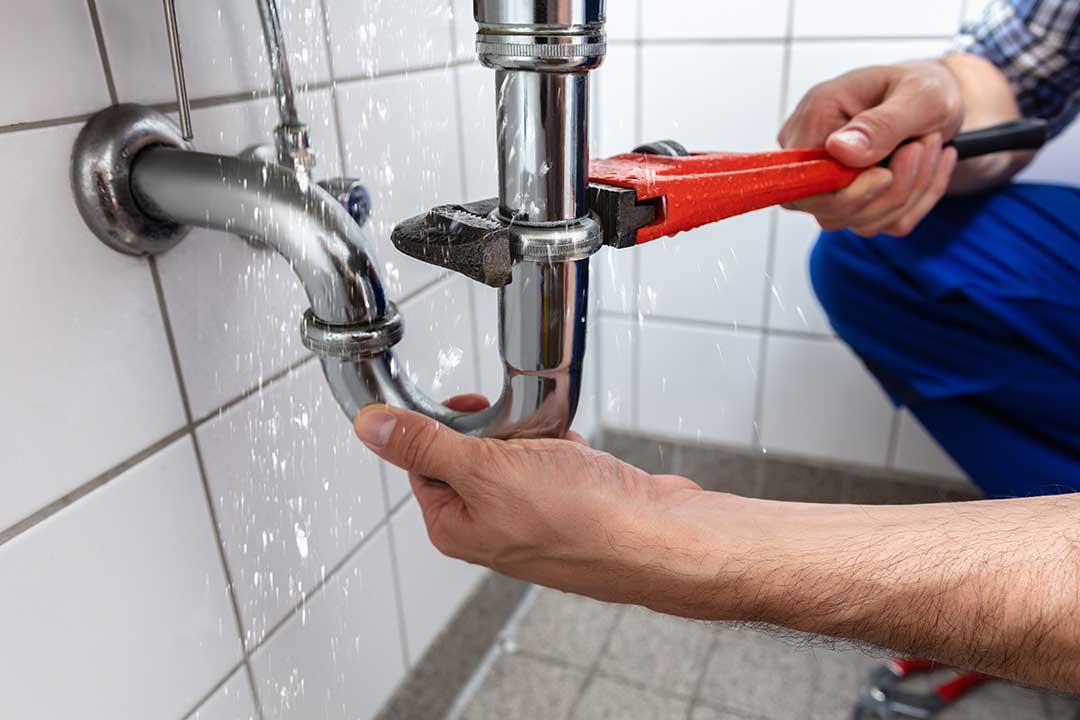
Can Small Drips Be Safely Ignored?
Leaving a faucet to drip can seem harmless, especially if the amount of water lost appears minor. Yet, even a slow overnight drip adds up over time—sometimes to dozens of gallons per week.
Additionally, ignored leaks can worsen:
- Increased Water Bills: Even a modest drip could cost significantly more over a month.
- Risk of Mold and Water Damage: Moisture collecting in cupboards or under sinks can lead to discoloration and mold growth, particularly in homes with less airflow.
- Further Wear: Continued dripping accelerates wear on the fixture, potentially leading to a sudden failure or a much more difficult repair.
While a persistent drip isn’t typically an emergency, local health and efficiency motivations are good reasons to investigate or repair a leak promptly.
What Steps Can Richmond Residents Take to Address a Dripping Faucet?
A careful approach can address most minor faucet drips without extensive expertise:
1. Identify the Source: Begin by confirming that the drip comes from the faucet, not a supply line or under-sink connection.
2. Shut Off Water: Before attempting any repair or inspection, find the shutoff valves under the sink and turn off the supply.
3. Disassemble Carefully: Remove the faucet handle using a screwdriver, and inspect the condition of washers, seals, or cartridges.
4. Clean Away Mineral Build-Up: A solution of vinegar and water can help dissolve mineral crusts on parts.
5. Replace Worn Components: Replacement washers, O-rings, or cartridges are available at local home improvement stores. Bring the old part along if unsure of sizing.
6. Reassemble and Test: Put the faucet back together, gently open the water supply, and see if the drip has stopped.
If the leak persists after replacing obvious worn parts, factors like corroded valve seats or hidden pipe issues may be involved. In such cases, careful inspection and occasionally more specialized tools are needed.
Is There a Risk of Wasting Water or Damaging Property?
Yes, especially over an extended period. A faucet dripping once per second can waste more than 2,000 gallons per year. In a city facing seasonally dry spells or with aging infrastructure, water conservation is increasingly important.
Even minor moisture beneath sinks can soften wood, damage finishes, and create conditions ripe for mold. Paying attention to these seemingly small problems helps protect home value and local water resources alike.