
 See My Latest Article on HelloNation
A higher water bill usually means one of three things: the household used more water, a fixture or pipe is leaking, or the bill covers a longer period than expected. In Richmond, seasonal changes, older plumbing, irrigation use, and small unnoticed leaks can all contribute to a sudden increase.
Did the household actually use more water?
The first step is to compare water usage, not just the dollar amount. Most bills show the volume used during the billing period, along with the number of days included.
A higher charge may be reasonable if the household recently:
- Filled or topped off a swimming pool
- Watered lawns, gardens, or new plantings
- Had guests staying in the home
- Washed more laundry than usual
- Used additional water during cleaning or home projects
- Spent more time at home because of school, work, illness, or weather
- Ran faucets longer while waiting for hot water
A bill can rise even when daily habits seem unchanged if the billing period lasted several more days than usual. Compare the current bill with the previous bill and with the same season from the prior year, if those records are available.
The usage number is more useful than the total balance. A higher balance with similar usage may reflect a rate, fee, or billing adjustment. A higher usage number points more strongly toward increased consumption or a leak.
Could a toilet be wasting water?
A leaking toilet is one of the most common causes of an unexplained increase. The leak may be nearly silent, and water can flow from the tank into the bowl continuously without leaving a visible puddle.
To check a toilet:
1. Remove the tank lid and listen for hissing or periodic refilling.
2. Add a few drops of food coloring to the tank.
3. Wait about 15 minutes without flushing.
4. If colored water appears in the bowl, the tank is leaking.
The problem may involve a worn flapper, a faulty fill valve, an incorrect water level, or a damaged tank component. A toilet that refills briefly every few minutes can waste a surprising amount of water over a full billing cycle.
Check every toilet in the home, including less frequently used bathrooms. A guest bathroom can leak for weeks without attracting attention.
Are faucets, shower valves, or outdoor fixtures leaking?
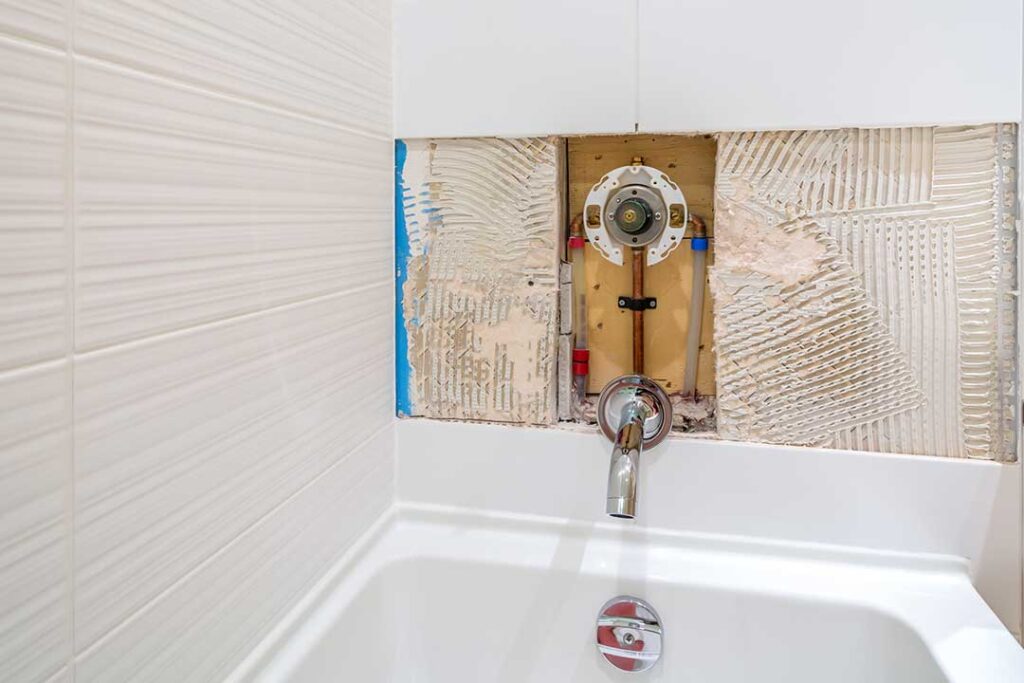
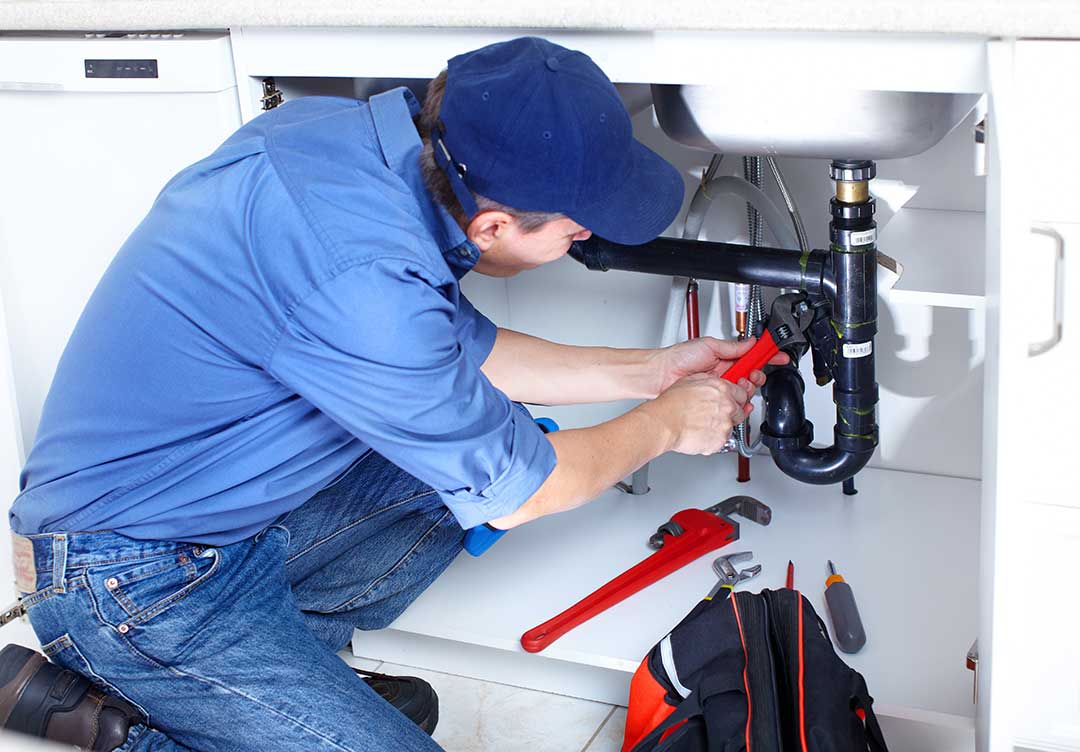
A dripping faucet is easy to notice, but a slow leak beneath a sink or behind a shower wall may be less obvious. Look for:
- Damp cabinet floors
- Swollen wood or peeling material beneath sinks
- Water stains around tubs and showers
- Loose or wet connections
- Mold-like odors
- A shower that drips after the handle is turned off
- Outdoor spigots that remain damp when not in use
Outdoor hose connections deserve special attention during warmer months. A hose left attached can conceal a worn washer or allow water to escape along the connection. In colder weather, exposed pipes and exterior faucets may also be damaged by freezing conditions, creating a leak that becomes apparent only after temperatures rise or water use resumes.
If a leak is inside a wall, ceiling, or floor, the visible signs may appear far from the actual plumbing problem. Staining, soft drywall, warped flooring, or unexplained dampness should not be ignored.
Is there a hidden leak between the meter and the house?
A home can lose water through a buried service line or another section of plumbing that is not visible indoors. The easiest initial check is to make sure every faucet, appliance, toilet, and irrigation feature is off, then observe the water meter.
If the meter continues to register water use while the property is not using water, a leak may be present. Some meters have a small flow indicator that moves even during very low-volume leaks.
This test does not identify the exact location. It only shows that water may be moving somewhere in the system. Irrigation lines, underground piping, pressure-reducing equipment, and plumbing beneath slabs can require more specialized evaluation, particularly if the increase is substantial or continues across multiple billing periods.
Could a water-using appliance be responsible?
Dishwashers, washing machines, water softeners, humidifiers, and hot water equipment can affect consumption. A malfunctioning appliance may run longer than normal, refill repeatedly, or discharge water when it should be idle.
Check whether:
- The washing machine is completing full cycles without stopping
- The dishwasher is running more frequently
- A water softener is regenerating too often
- A reverse-osmosis or filtration system is sending excessive water to a drain
- The water heater discharge pipe is releasing water
- An appliance supply hose is damp or cracked
A water heater that is releasing water through its relief valve or drain line can waste water while also creating a safety concern. Water near the base of the tank, unusual noises, or frequent discharge should be treated as more than a billing issue.
How do seasonal conditions affect local water use?
Richmond experiences hot, humid summers and periods when lawns and gardens need additional watering. Outdoor use can increase quickly during dry stretches, especially if watering occurs with hoses, sprinklers, or automatic irrigation.
In winter, the concern shifts toward freezing temperatures. A burst or cracked pipe may not become obvious until water flows again or thawing exposes the damage. Vacant homes, crawl spaces, garages, exterior walls, and poorly insulated areas are more vulnerable.
Seasonal billing comparisons should account for weather and household activity. A summer bill may reflect outdoor watering, while a winter increase may point toward a damaged pipe, a running toilet, or more frequent hot-water use.
Could the bill contain a reading or billing issue?
Not every unexpected increase comes from plumbing. Review the bill for:
- Estimated rather than actual meter readings
- A catch-up charge after an earlier estimate
- A longer billing period
- A corrected prior reading
- New or adjusted fees
- A final or starting meter reading connected with a move
- A change in account classification or billing structure
If the bill shows usage that does not match the meter or household history, document the current meter reading and compare it with the bill. Keep notes about the date, time, and whether water was being used. Clear records make it easier to distinguish a plumbing leak from a billing discrepancy.
What should be done first?
Start with the simplest checks:
1. Compare the current usage with previous bills.
2. Check every toilet for silent refilling.
3. Inspect faucets, under-sink cabinets, appliances, and outdoor fixtures.
4. Turn off all water use and watch the meter.
5. Check irrigation controls and outdoor watering habits.
6. Look for damp areas, stains, odors, or sounds inside walls and ceilings.
7. Record meter readings over several hours when the home is unoccupied.
If water is actively escaping, the leak is near electrical equipment, a ceiling is sagging, or a pipe has burst, shut off the appropriate water supply if it can be done safely. Wet electrical areas, contaminated water, structural damage, and inaccessible plumbing may require urgent assistance because they involve more than ordinary water conservation.
A sudden increase that disappears after a single unusual event may not indicate a plumbing defect. A continuing pattern, unexplained meter movement, or visible water damage deserves closer attention before the next billing cycle adds to the loss.